
Bedroom Guides
Modern Wardrobe Design and Storage Ideas
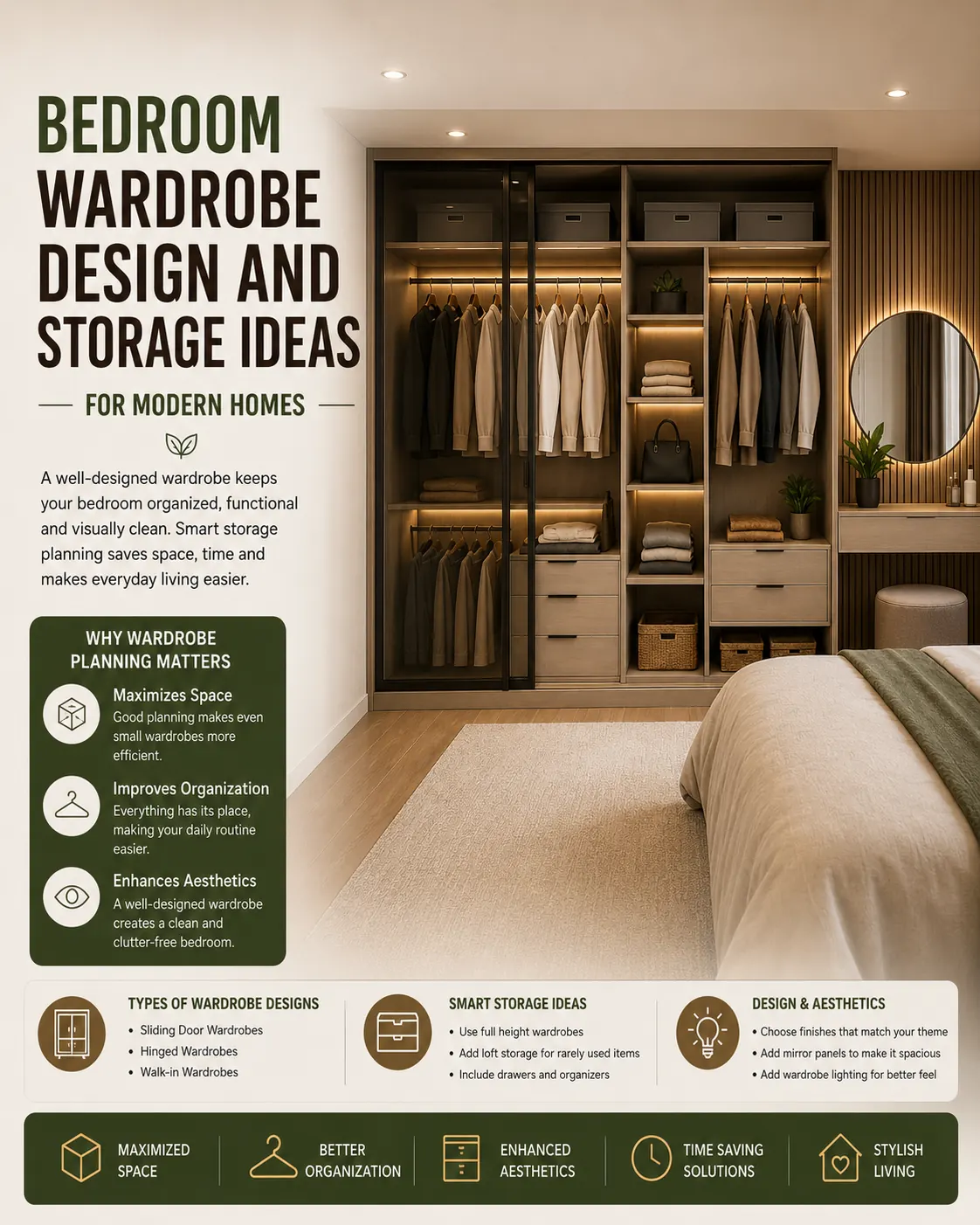
A wardrobe is one of the few pieces of furniture you interact with every single day, yet it is often the last thing people plan carefully. Getting the internal layout right matters far more than the exterior finish. A well-designed wardrobe should match how you actually get dressed, not just look good with the doors closed.
Start With What You Own, Not a Standard Layout
Most wardrobes ship with a generic split: one hanging rail, a few shelves, maybe a drawer. That works fine for some people and badly for others. Before choosing a layout, take stock of what you actually store: how many long-hanging items versus folded clothes, how much footwear, whether you need space for accessories, linens, or seasonal items that only come out twice a year.
A wardrobe planned around your real inventory holds more, looks tidier day to day, and needs far less rearranging over time.
Hanging Space, Shelving, and Drawers: Getting the Mix Right
Hanging space is the least space-efficient storage type, so it is worth using deliberately rather than defaulting to it for everything. Shirts, jackets, and dresses generally need hanging space; t-shirts, sweaters, and everyday basics fold and stack more efficiently on shelves. Drawers are best reserved for smaller items that get lost easily on open shelves, such as innerwear, accessories, or jewelry.
A useful rule of thumb: if you are reaching for something daily, it should be at eye level or in the top drawer, not on a high shelf that needs a step stool.
Design Choices That Actually Help
- Adjustable shelving lets you change the layout later as your wardrobe changes, rather than being locked into fixed compartments.
- A mix of open shelves and closed drawers keeps visible clutter down while still giving quick access to everyday items.
- Interior lighting makes a real difference in low-light rooms, especially for wardrobes tucked into a corner or alcove.
- Mirrored doors do double duty, saving the need for a separate full-length mirror in a small bedroom.
- A dedicated shoe rack or slotted base section keeps footwear from taking over shelf space meant for clothes.
Sizing the Wardrobe to the Room
A wardrobe that is too large for the room ends up cramping the space around the bed; one that is too small never actually holds everything, which defeats the purpose. As a general guide, a two-door wardrobe suits a smaller or secondary bedroom, while a three-door or larger wardrobe works better as the main storage piece in a primary bedroom shared by two people.
The goal is a wardrobe that disappears into daily life: everything has a place, nothing needs to be dug out from underneath something else, and getting dressed does not start with a search.
Back to Bedroom Guides